Welcome to Orime!
Choose your theme
01 of 13 · Purple Star
What is Purple Star Astrology?
A thousand-year-old map of a single life.
Purple Star Astrology — Zi Wei Dou Shu — was born in 10th-century China, credited to the Taoist sage Chen Tuan and refined over the Song dynasty from the I Ching, classical astronomy, and the five elements. It takes its name from the North Star, Zi Wei: the still point the ancients called the seat of the Heavenly Emperor, the fixed center everything else turns around.
How is it different from BaZi (八字)?
BaZi — the Four Pillars (八字) — reads your destiny from four elemental pillars drawn from the year, month, day, and hour of birth. It is elegant and fast, and it tells you the broad weather of a life: that you are, say, a Metal person, strong or weak, born into a favourable season or a hard one.
Zi Wei Dou Shu works at a finer grain. Instead of four pillars it places 108 stars across the twelve palaces — far more data points, and so a far more specific picture.
If BaZi is a thermometer, Purple Star is a full weather station: not just warm or cold, but the wind, the pressure, and the front moving in over each separate area of your life.
The difference shows in what each can actually say. One names your element; the other names the room, the star, and what it does there. Much more specific, and much more actionable.
Your chart
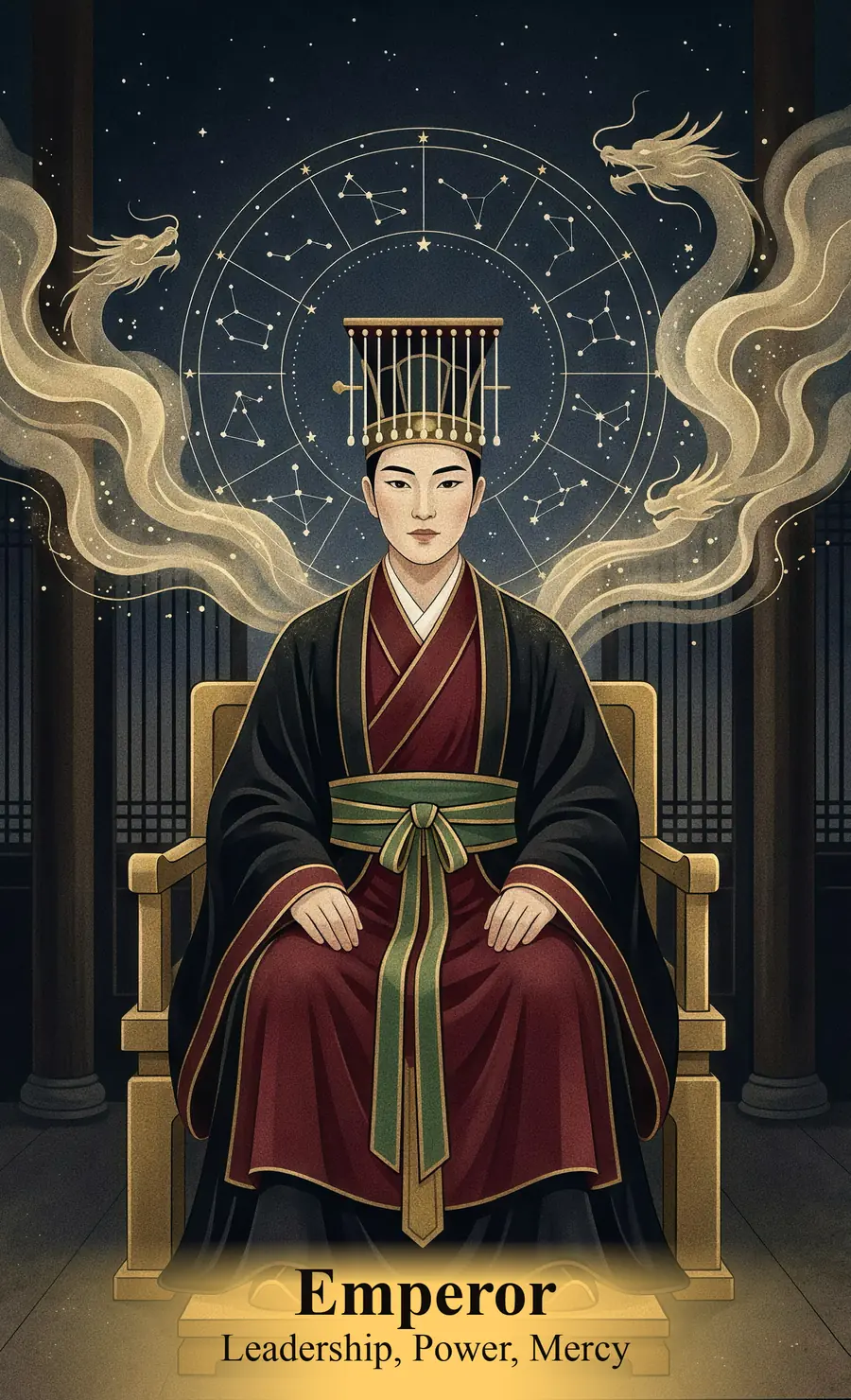
Career palace
Spouse palace
BaZi tells you "you're a Metal person."
Purple Star tells you:
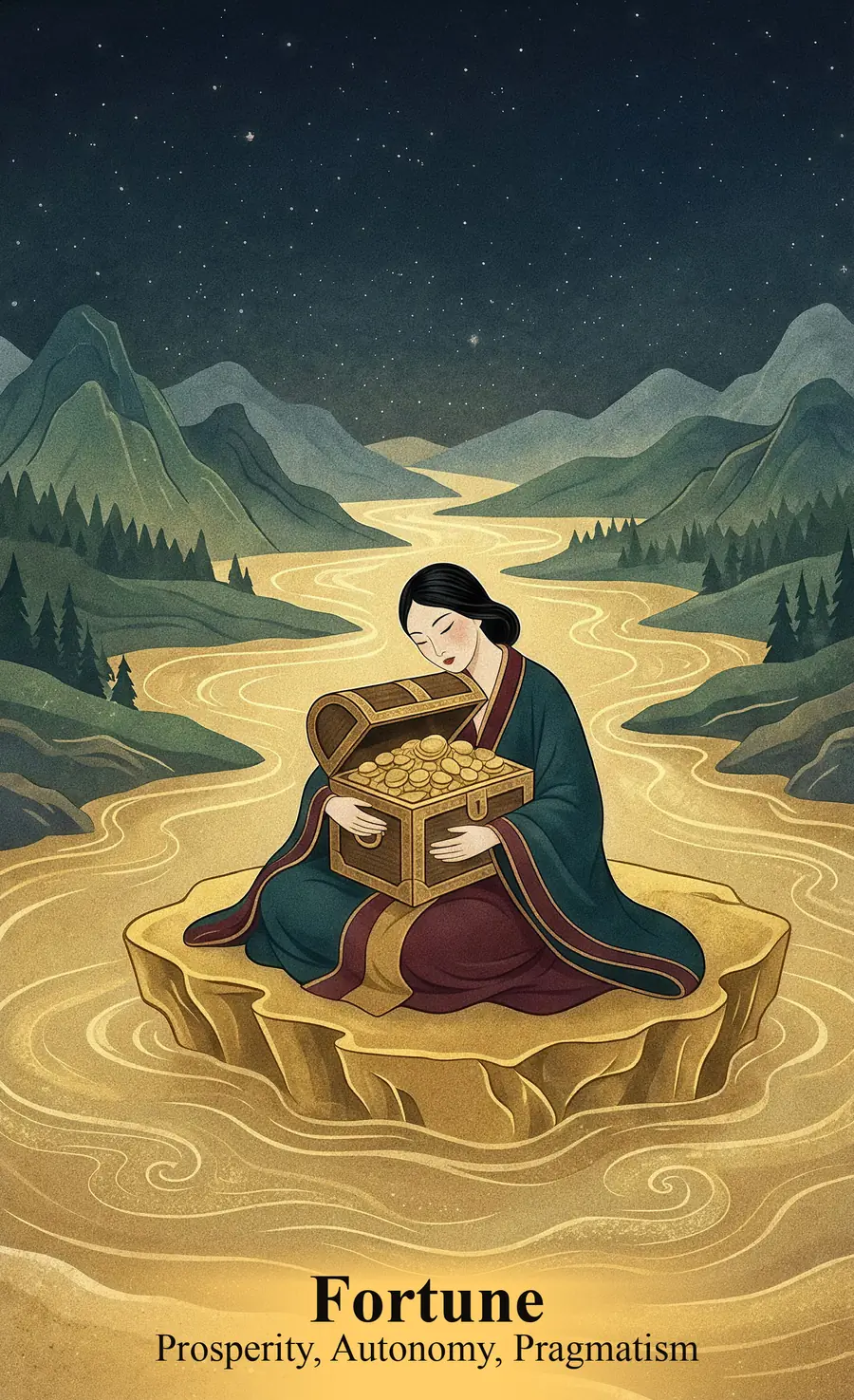
"The Emperor Star sits in your Career Palace with the Wealth Star supporting it
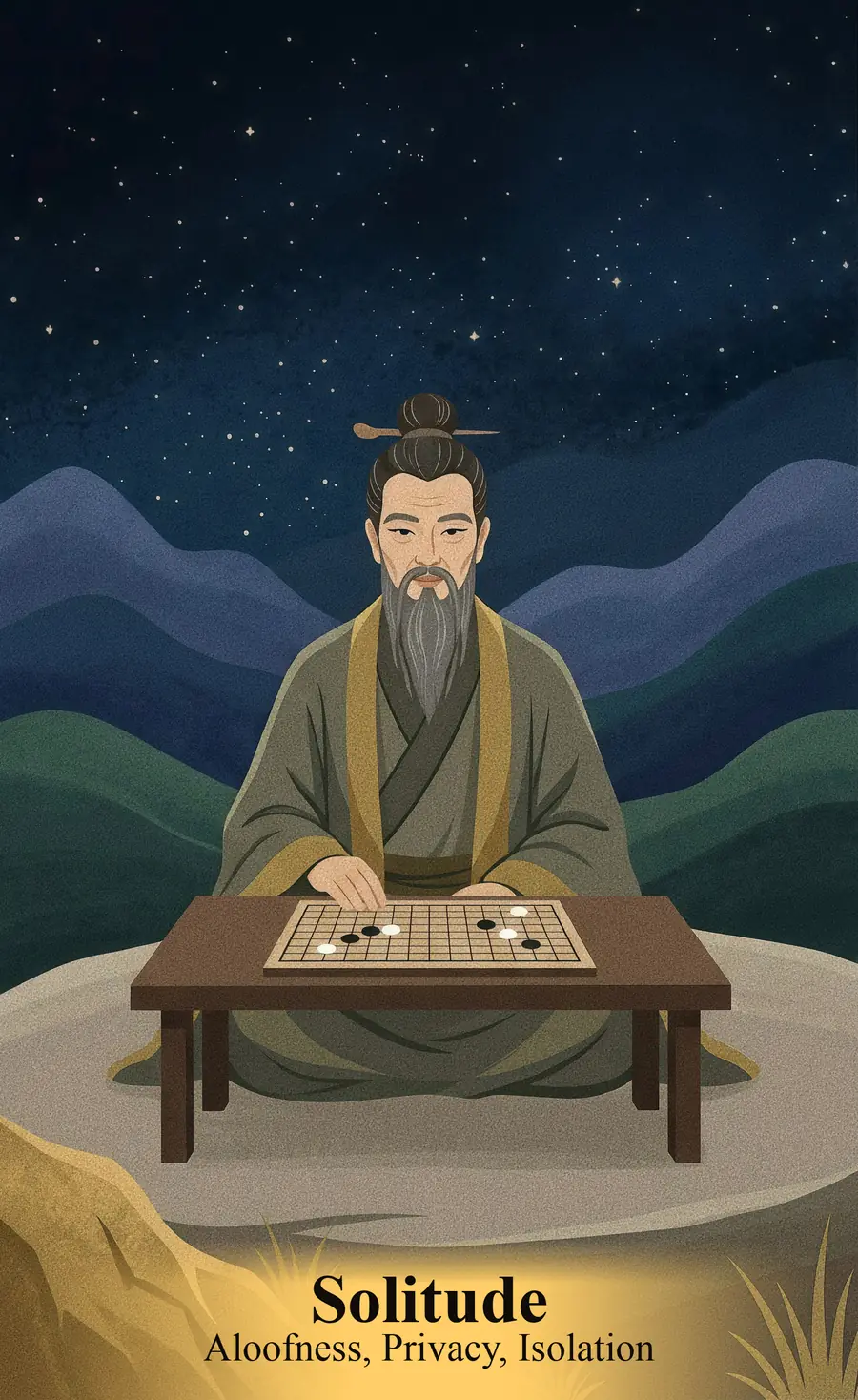
but the Lonely Star in your Spouse Palace may delay marriage."
The two are not rivals. Many Chinese astrologers read them side by side — BaZi for the elemental backbone, Zi Wei Dou Shu for the detailed map — letting each sharpen the other.
In this guide